“first look at raw beans” search results (700)

The History of Coffee producing countries the bitterness and sweetness of Harald
Harald is always reminiscent of one of the four holy cities of Islam, BMW of pure blood, and delicious coffee-a name that shines loudly in the coffee world, and you can't turn a blind eye to it. However, Harald's first impression may not be so impressive. The plain-looking raw beans are hardly reminiscent of those gorgeous words: berry flavor, fruit aroma
2014-09-28 Coffee knowledge Coffee History Coffee producing countries Hala
The roasting process of boutique coffee
To put it simply, baking is the direct heating of the baking. Unlike cooking, you don't need oil, water, salt or sugar to bake. Just put the raw coffee beans in a heat-resistant container, then heat them on the fire, stir the coffee beans constantly while heating, so that each bean is heated evenly, and stop heating when we reach the degree we want.
2014-10-29 Coffee knowledge boutique caffeine baking process
Introduction of Ethiopian Coffee beans Grade Analysis of Ethiopian Coffee beans
Ethiopian coffee beans are divided into five levels. The first and second stages are washed beans. Washed beans Grade1 represents 3 defective beans per 300g raw beans, and Grade2 represents 4 defective beans per 300g. Gradc1 grade water washed beans are very rare and are generally difficult to buy. At present, all the washed beans exported from Ethiopia are Grade2 grade. The quality of sun-dried beans is Grade3 and Grad in order.
2016-04-30 Ethiopia coffee beans introduction grading analysis points
Ten keys to the selection of coffee raw beans for fine coffee
Boutique coffee (specialty coffee) is also called specialty coffee selection coffee. It refers to coffee made from a small number of raw beans with excellent taste grown in an ideal geographical environment. Depending on the special soil and climatic conditions in which they grow, they have outstanding flavor. After strict selection and classification, this kind of coffee is hard in texture, rich in taste and stylish.
2016-05-24 Boutique coffee selection raw beans ten key boutique specia
Raw bean sun aricha Ethiopia imports Yega Xuefei Ariga boutique coffee
Yega Xuefei is produced at the Kebel Aricha processing plant, where there are about 650,700 small coffee farmers who send ripe coffee berries here for processing in exchange for cash. After the treatment plant selects the available berries, they are directly exposed to the sun on the scaffolding and are turned every 2-3 hours in the first few days to prevent overfermentation. After four to six weeks of sun exposure, workers will look at the weather and temperature.
2016-07-27 Raw beans Solar aricha Ethiopia Import Yega Sheffield Ari
The knack of distinguishing the freshness of coffee beans
Nose smell: fresh coffee beans smell strong fragrance, on the contrary, tasteless or bad smell; see: good coffee beans have complete shape, full size, otherwise the shape is mutilated; hand pressure: fresh coffee beans are pressed fresh and crisp, fragrance floats out when they crack; color: dark black coffee beans, the coffee is bitter, the color is yellow, the coffee is sour. 1.
2015-09-16 Coffee beans freshness other tricks shape judgment
The roasting process of boutique coffee
To put it simply, baking is the direct heating of the baking. Unlike cooking, you don't need oil, water, salt or sugar to bake. Just put the raw coffee beans in a heat-resistant container, then heat them on the fire, stir the coffee beans constantly while heating, so that each bean is heated evenly, and stop heating when we reach the degree we want.
2014-12-12 Boutique coffee baking common sense process simple that is direct heating
Coffee knowledge taste discrimination
Distinguish coffee beans from good or bad coffee beans: neat shape, bright color, roasted by single stir-fry. After brewing and cooking, it is mellow and full of stamina. Bad coffee beans: different shapes and incomplete individuals. After cooking, it is light and fragrant, not sweet enough. The secret to the freshness of ◆ coffee beans: fresh coffee beans have a strong smell, otherwise tasteless or bad smell. Look at it: good coffee
2016-08-09 Coffee knowledge taste discrimination
The bitterness and sweetness of Harald, the common sense of Ethiopian boutique coffee
Harald is always reminiscent of one of the four holy cities of Islam, BMW of pure blood, and delicious coffee-a name that shines loudly in the coffee world, and you can't turn a blind eye to it. However, Harald's first impression may not be so impressive. The plain-looking raw beans are hardly reminiscent of those gorgeous words: berry flavor, fruit aroma
2014-12-26 Ethiopia boutique coffee common sense Harald Rahl mention la
Grade analysis of Ethiopian coffee beans how about Ethiopian coffee? Ethiopian coffee
Ethiopian coffee beans are divided into five levels. The first and second stages are washed beans. Washed beans Grade1 represents 3 defective beans per 300g raw beans, and Grade2 represents 4 defective beans per 300g. Gradc1 grade water washed beans are very rare and are generally difficult to buy. At present, all the washed beans exported from Ethiopia are Grade2 grade. The quality of sun-dried beans is Grade3 and Grade4 in order.
2016-03-16 Ethiopia coffee beans grade analysis Ethel Searle Biya coffee how
Description of the baking process of boutique coffee beans
To put it simply, baking is the direct heating of the baking. Unlike cooking, you don't need oil, water, salt or sugar to bake. Just put the raw coffee beans in a heat-resistant container, then heat them on the fire, stir the coffee beans constantly while heating, so that each bean is heated evenly, and stop heating when we reach the degree we want.
2015-04-17 Boutique coffee beans baking process description simple that is direct heating
Coffee bean baking knowledge the roasting process of coffee
To put it simply, baking is the direct heating of the baking. Unlike cooking, you don't need oil, water, salt or sugar to bake. Just put the raw coffee beans in a heat-resistant container, then heat them on the fire, stir the coffee beans constantly while heating, so that each bean is heated evenly, and stop heating when we reach the degree we want.
2015-02-02 Coffee beans roasting knowledge coffee process simple that is direct heating
The secret of how to distinguish the freshness of coffee beans
Nose smell: fresh coffee beans smell strong fragrance, on the contrary, tasteless or bad smell; see: good coffee beans have complete shape, full size, otherwise the shape is mutilated; hand pressure: fresh coffee beans are pressed fresh and crisp, fragrance floats out when they crack; color: dark black coffee beans, the coffee is bitter, the color is yellow, the coffee is sour. 1.
2015-02-25 How to distinguish coffee beans good or bad freshness other tricks
The production process of coffee beans
Coffee beans are not born like this. Let's briefly talk about the production process of coffee beans. First of all, there must be a coffee tree, and then there must be a coffee tree, and then the coffee tree will bear coffee fruit, and then the coffee tree will bear coffee fruit, and the picked coffee fruit will be treated by the sun or washing, peeling off the skin and flesh, and getting the coffee raw beans.
2016-05-24 Coffee beans production process coffee beans no life down that is this looks like
The production method of washing Yega Xuefei Ethiopian coffee beans to treat coffee beans
Ethiopian coffee beans are divided into five levels. The first and second stages are washed beans. Washed beans Grade1 represents 3 defective beans per 300g raw beans, and Grade2 represents 4 defective beans per 300g. Gradc1 grade water washed beans are very rare and are generally difficult to buy. At present, all the washed beans exported from Ethiopia are Grade2 grade. The quality of sun-dried beans is Grade3 and Grad in order.
2016-05-10 Ethiopia Water washing Yega Sheffield Coffee beans production method treatment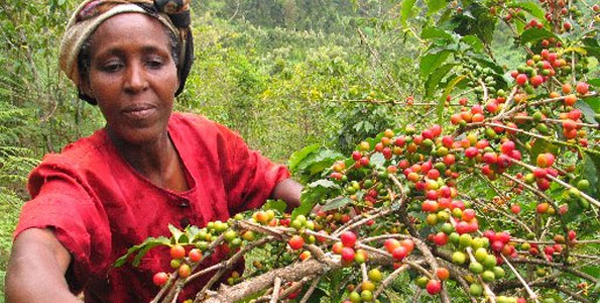
About Ethiopia coffee beans grade analysis to understand the quality of coffee beans classification
Ethiopian coffee beans are divided into five grades. The first and second stages are water-washed beans. Grade1 means 0~3 defective beans per 300 g of raw beans;Grade2 means 4~12 defective beans per 300 g. Grade 1 washed beans are extremely rare and generally difficult to buy. At present, all washed beans exported from Ethiopia are Grade2. The quality of sun-dried beans is Grade3 and Grade4 in sequence.
2015-12-25 About Ethiopia Origin Coffee Beans Grade Analysis Understanding Good or Bad Classification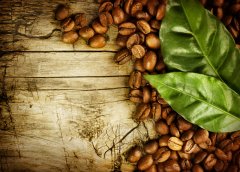
Roasting defects Fast baking freshly baked coffee beans coffee quality coffee raw beans
When we talk about boutique coffee, every step presented in the coffee supply chain is critical to the final coffee product presented to us. So a very important step in the supply chain of coffee from seed to cup is roasting. When it comes to specialty coffee, every step in the supply chain becomes extremel
2016-06-24 Roasting defects fast fresh coffee beans coffee quality raw beans we talk about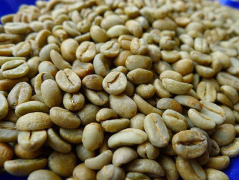
Grade analysis of Ethiopian coffee beans Ethiopian coffee beans are divided into five levels
Ethiopian coffee beans are divided into five levels. The first and second stages are washed beans. Washed beans Grade1 represents 3 defective beans per 300g raw beans, and Grade2 represents 4 defective beans per 300g. Gradc1 grade water washed beans are very rare and are generally difficult to buy. At present, all the washed beans exported from Ethiopia are Grade2 grade. The quality of sun-dried beans is Grade3 and Grade4 in order.
2015-10-22 Ethiopia coffee beans grade analysis divided into five levels coffee
Observe the 10 elements of raw coffee beans
The raw bean seller is mainly responsible for grading the coffee beans before selling them to the coffee bean merchant. After the grading is completed, premium coffee beans and boutique coffee beans will be selected, although they will have some defects but do not affect the coffee rating. These defects are not so serious, but they can also cause potential damage to the quality of coffee. Although Cupping is undoubtedly the most definite way to check coffee beans.
2014-08-22 Coffee knowledge observe coffee beans coffee raw beans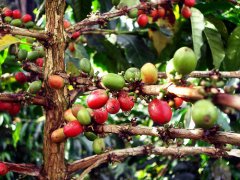
How to grow coffee berries and beans
Coffee fruit is a berry, also known as comb fruit. Oval, 9-14 mm long, young fruit green, red at maturity, purplish red. Each fruit generally has two seeds, but also one or three, showing a semi-oval, there is a longitudinal groove, called grooves. This is the past life of coffee beans, there are coffee branches, leaves, fruits, as well as dissected pulp, seeds, roasted coffee beans. What we see every day
2016-05-31 Coffee berries coffee beans how planting coffee fruit also known as combs